

👉 Note: This is a rapidly developing story, pieced together from multiple current reports.
Early Morning — February 28
~01:00 UTC — Joint Strike Begins
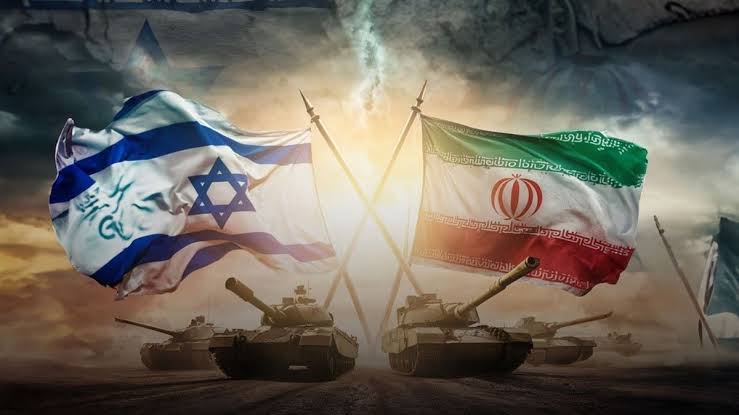
A coordinated military offensive by the United States and Israel begins against Iranian targets. Both countries launch air and missile strikes on cities including Tehran, Isfahan, Qom, and other strategic sites. The assaults are aimed at Iranian military infrastructure, nuclear-related sites, and command nodes. The operation was reportedly planned for several months.
06:15–08:00 UTC — Trump Announces Major Combat Operations
U.S. President Donald Trump announces that the United States has begun “major combat operations” against Iran, describing the campaign as necessary to remove perceived imminent threats from Tehran and degrade its military and missile capabilities. He also urges Iranians to seize the opportunity to challenge their government once operations conclude.
Israel Confirms Its Role
Israeli Defense officials confirm that its strikes were coordinated with U.S. forces, highlighting close strategic cooperation in the offensive.
Mid-Morning — February 28
Regional Alerts and Explosions
Reports emerge of explosions in Tehran and other Iranian cities as Iranian air defenses react. Roads near key government installations are restricted, and widespread smoke is visible over urban centers.
Airspace Closures Announced
Countries across the Middle East, including Qatar, Kuwait, and UAE, begin temporarily closing their airspace as precautionary measures following the strikes.
Late Morning to Early Afternoon
Iran Retaliates Across the Region
Iran’s Islamic Revolutionary Guard Corps launches missile and drone barrages targeting:
Israel, where air defenses activate sirens as missiles head toward northern regions.
U.S. military bases and installations across the Gulf, including in Bahrain, Qatar, and the UAE. Multiple explosions are reported, and some missiles are intercepted.
Eyewitness and security reports suggest that Iranian strikes hit the U.S. Navy Fifth Fleet command center in Bahrain, while other missiles are intercepted over Qatar and Kuwait.
Afternoon — February 28
Wider Regional Response
Air defenses in Gulf states and Israeli military zones remain on high alert.
Civilian flight operations remain disrupted, affecting international travel and commerce.
Iran’s government lodges appeals to the United Nations Security Council, claiming violations of international peace and defending its right to retaliate.
Casualty and Damage Reports (Emerging)
Initial reports indicate:
Civilian deaths and injuries in Iran due to the daytime strikes.
Confirmed missile intercepts and limited civilian casualties in Abu Dhabi from falling debris.
Damage to military infrastructure and raised alarm states in key Gulf nations.
Implications and Status
By late February 28, hostilities continue with:
U.S. and Israeli forces maintaining pressure on Iranian targets.
Iran conducting widespread retaliatory strikes across multiple countries hosting U.S. and allied forces.
Regional tensions rising, with the risk of widening conflict and broader geopolitical fallout still growing.