

FEC Approves Three Transformative Policies to Boost Innovation, Digital Trade, and Services Export
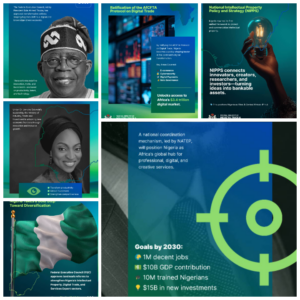
The Federal Executive Council (FEC) has approved a set of transformative policies aimed at accelerating Nigeria’s transition into a digital and knowledge-based economy. Presented by the Minister of Industry, Trade and Investment, Dr. Jumoke Oduwole, these reforms mark a major step toward diversifying the nation’s economy under President Bola Ahmed Tinubu’s Renewed Hope Agenda. The policies are designed to strengthen Nigeria’s intellectual property ecosystem, unlock opportunities in digital trade, and expand the country’s footprint in the global services export market.
The three approved policies are:
1. National Intellectual Property Policy and Strategy (NIPPS)
This is Nigeria’s first unified framework for protecting and commercialising intellectual property rights. The policy connects innovators, creators, and investors to turn ideas into economic assets, transforming creativity into capital. Developed with support from the World Intellectual Property Organization (WIPO) and inputs from over 200 stakeholders, NIPPS positions Nigeria as a regional hub for intellectual property and innovation in West and Central Africa.
2. Ratification of the AfCFTA Protocol on Digital Trade
This protocol cements Nigeria’s leadership in shaping Africa’s digital economy. It establishes continent-wide standards for e-commerce, data governance, cybersecurity, and consumer protection, providing a predictable environment for digital transactions. With this ratification, Nigeria moves from participation to policy-shaping leadership in Africa’s $3.4 trillion single market, creating new opportunities for fintech, e-commerce, and creative tech enterprises.
This initiative is aimed at strengthening Nigeria’s competitiveness in global services. It seeks to create one million new jobs and contribute $10 billion annually to GDP by 2030, positioning Nigeria as Africa’s hub for digital outsourcing and professional services.
Collectively, these three reforms signal a bold new chapter in Nigeria’s economic transformation, where ideas, data, and talent drive growth, industrialization, and sustainable prosperity.