
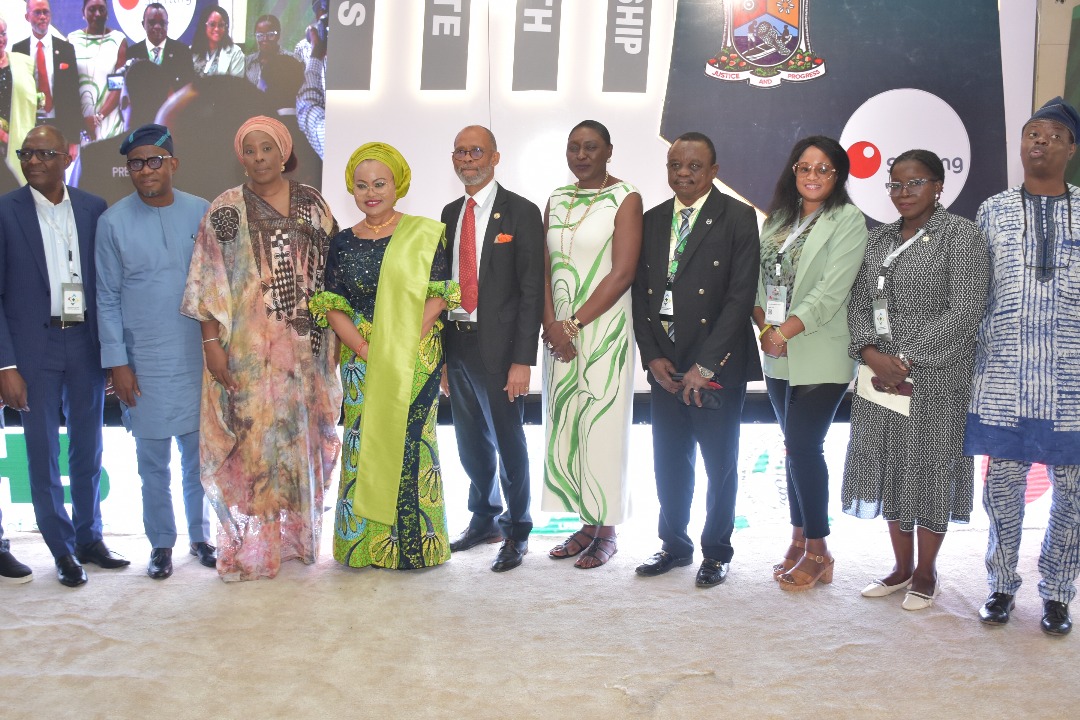

Lagos State has launched the Lagos Private Health Partnership (LPHP), a sweeping reform aimed at expanding health insurance coverage, strengthening private sector participation, and improving transparency in the state’s healthcare financing system.
The initiative, unveiled at the Civic Centre in Victoria Island, brings together government leaders, private health providers, insurers, financiers, and development partners in what officials describe as one of the most comprehensive health financing reforms in Nigeria.
Representing Governor Babajide Sanwo-Olu, Secretary to the State Government, Barrister Abimbola Salu-Hundeyin, said the LPHP signals a major step toward a resilient and digitally driven health financing model capable of protecting residents from catastrophic medical expenses. She noted that the initiative aligns with the state’s domestication of the National Health Insurance Authority (NHIA) Act of 2022 and the Governor’s 2024 Executive Order making health insurance mandatory for all residents.
According to the Governor’s remarks, the LPHP will streamline enrolment, claims processing, risk pooling, and provider management under a unified digital framework. The reform also introduces a population-based enrolment model for employees of private organisations to enhance compliance and broaden access.
Commissioner for Health, Prof. Akin Abayomi, said the launch marks a break from a fragmented private insurance landscape plagued by distrust, unhealthy pricing competition, and limited enrollee access. He explained that the LPHP is designed to restore fairness, strengthen quality assurance, and prioritise value-based healthcare delivery.
Abayomi emphasised that the system is powered by a digital marketplace that integrates enrolment, fund flow, claims management, monitoring, and reporting — ensuring transparency and compliance. He added that full enforcement of mandatory health insurance will begin after a six-month sensitisation period.
The Commissioner also disclosed that the LPHP will introduce a state-managed risk equalisation and solidarity fund requiring private insurers to contribute 13 percent of premiums to support vulnerable groups and emergency services. He projected that Lagos could inject over ₦400 billion annually into the health system if 20 million residents enrol at an average premium of ₦20,000.
Chairman of the Lagos State Health Management Agency (LASHMA), Dr. Adebayo Adedewe, described the reform as a credible solution to longstanding challenges in the health insurance sector, while healthcare provider groups and financial institutions at the event pledged full collaboration.
Managing Director of Sterling Bank Plc, Mr. Abubakar Suleiman, commended the state for creating a unified digital marketplace that promotes transparency, payment integration, and value-based healthcare delivery. He said the bank will continue to provide financial and technological support for the initiative.
Stakeholders agreed that the LPHP offers a scalable template for national adoption and positions Lagos as a leading hub for healthcare investment, medical technology, and workforce retention.
The Ministry of Health stated that next steps include HMO onboarding, pilot implementation, system testing, and full statewide rollout. Authorities urged residents, private employers, and healthcare providers to support the initiative to ensure affordable and equitable healthcare for all Lagosians.