
By Adeyemi Adekunle
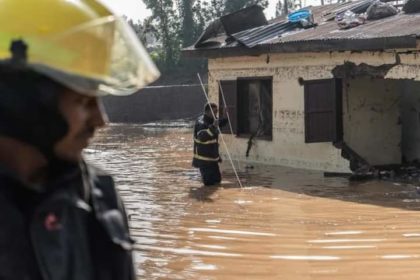
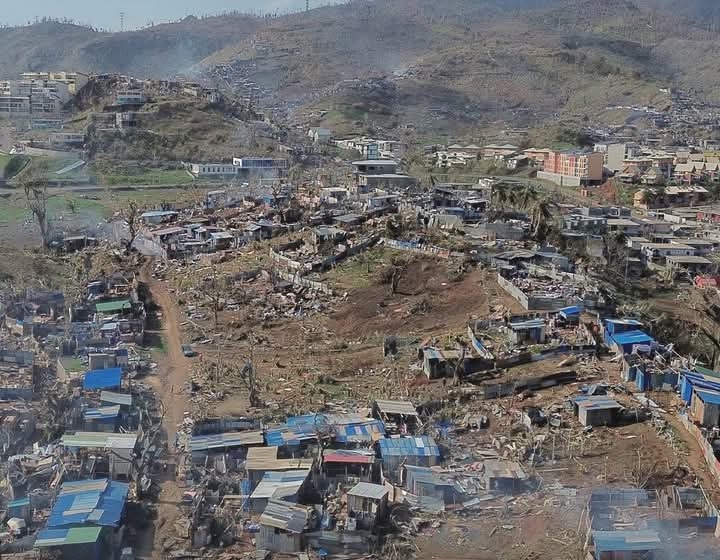
One week after Cyclone Chido unleashed devastation on Mayotte, France’s poorest overseas territory, the island remains gripped by a worsening humanitarian crisis. Hospitals are operating beyond capacity, and health officials warn of looming epidemics due to widespread shortages of clean water and electricity.
At least 35 lives have been confirmed lost in the wake of the cyclone, though French Health Minister Geneviève Darrieussecq cautioned that the true toll is likely far higher. “We are dealing with unprecedented devastation,” she said during a press briefing, emphasizing that many remote areas remain inaccessible for rescue teams.
Health workers on the island are raising alarms over the heightened risk of waterborne diseases like cholera and other illnesses exacerbated by poor sanitation. “With hospitals overwhelmed, the lack of clean water could turn this crisis into an epidemic nightmare,” one local doctor warned, adding that the need for medical supplies is critical.
Efforts to deliver emergency aid are underway, with the French government organizing airlifts of water, food, and other essential supplies. However, the scale of the disaster has left thousands still waiting for assistance. Reports indicate that entire communities have been left homeless, their homes destroyed by flooding and powerful winds.
For the people of Mayotte, recovery seems a distant prospect. Aid agencies are urging swift action to restore basic services and prevent a full-blown public health emergency. Meanwhile, questions are mounting over the island’s preparedness for natural disasters and the adequacy of France’s response.
As the world watches, Mayotte’s resilience is being tested like never before, its people left to grapple with the immediate and long-term impacts of Cyclone Chido.